How do we remain in the Word? The night before He died, Christ commanded his disciples to remain in Him – and explained that this means to keep His Word. (See John 15.) Obeying this command goes beyond any moralism or fulfillment of a minimal obligation. Minimalism does not keep the Word – for the Word, in its sheer grandeur and inexhaustible wonder, is maximal. We need to live with a maximal response if we are to hear and keep this Word whom the Father fully speaks into our lives. Such is the great task of being Christian — and the constant effort of contemplation in the Catholic Tradition.
Keeping His Word is painful – because to receive the Word of the Father is to accept being stripped, pruned of what is not fruitful in one’s life. The Father cuts off dead branches from our lives as we keep His Word in our hearts. If we try to keep what is not fruitful, there is no room for what is fruitful. We are dissipated, wasting energy on what has little or nothing to do with the Word. So the Father prunes away what is lifeless.
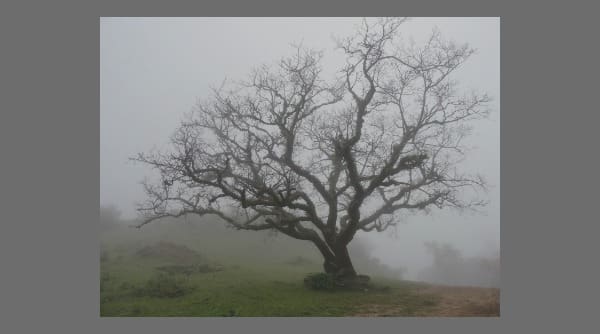
He does so in respect to our freedom — for He will not prune what we do not allow Him to. That is why remaining in the Word requires great effort. It costs us trust and confidence in the Father and surrendered openness. It means a receptivity that welcomes what the Father desires and that readily gives permission, assents to all that He yearns to do. When we freely surrender to the Father’s purifying action – room is made in our hearts for the new life that the Word makes fecund within.
Image credit: Adarsh Kummur on Unsplash.