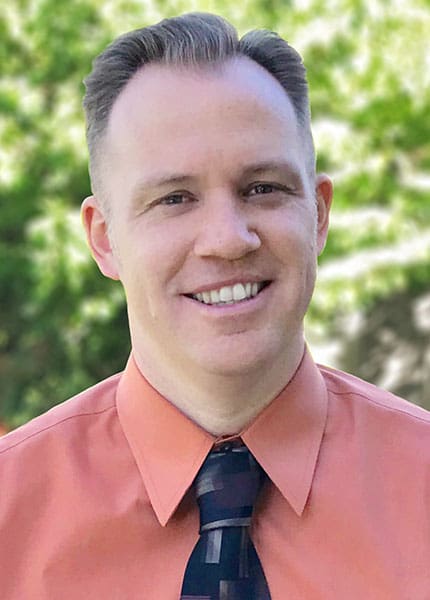
Growing up in sunny California, my family often spent summer days at the local Olympic-sized pool in San Ramon, CA. For me, that meant endless hours swimming, followed by even more hours stretched out under the blazing sun. As a teenager, I thought tanning was harmless, even desirable. I would lie there for hours, soaking in the rays. Looking back, I cringe at all those wasted afternoons baking in the sun.
Years later, the consequences caught up with me. At 40, I was diagnosed with melanoma. Thankfully, my wife, a physician assistant in dermatology, caught it early, and it was removed before causing lasting damage. Still, I continue to deal with other skin issues, all traceable to those long afternoons in the sun. Choices have consequences.
We know that harmful choices can leave scars. But what of choices that bear fruit? Just as hours beneath the sun leave a mark upon the body, how much more can hours before the Son—Jesus Christ, truly present in the Blessed Sacrament—leave not scars, but lasting fruit? The sun’s rays may burn the skin, yet Christ’s light heals, transforms, and awakens.
In Eucharistic adoration, we are not simply sitting in silence; we are immersed in the radiance of divine love. His presence penetrates the heart, deepens prayer, and awakens within us the call to intercede for His purposes. Intercessory prayer is not optional; it is the natural overflow of being in His presence. When we kneel before the Eucharist, we are drawn into Christ’s own prayer for the Church, and we become participants in His desire to raise up shepherds after His heart.
To pray for priests is to cooperate directly with God’s plan. Prayer for priests brings forth priests. Our petitions do not change God’s heart; rather, they open the world to receive the fullness of His heart. In intercession, we share in His boundless mercy and love, becoming channels through which grace flows into the Church.
The fruit of such prayer is visible. CARA’s Survey of Ordinands to the Priesthood (2024–2025) revealed that nearly 70% of newly ordained priests identified regular Eucharistic adoration as central to their discernment. Dioceses and parishes that establish perpetual adoration chapels consistently witness a rise in vocations. Bishop Earl Boyea of Lansing affirmed in 2025 that adoration chapels are “seedbeds of priestly vocations.”
Thus, intercessory prayer in adoration is not passive devotion—it is a powerful act of love that shapes the future of the Church. By lifting up priests and those discerning the call, we join Christ in His mission, ensuring that His mercy continues to be embodied in the world through the gift of priestly vocations.
But this flourishing is not the work of priests alone; it is sustained by the hidden army of lay intercessors. Mothers, fathers, grandparents, and young adults kneeling before the Eucharistic Lord, whispering prayers for more laborers in the vineyard, become co-workers in Christ’s mission. Their petitions, offered in faith, water the seeds of vocation. Just as sunlight nourishes growth, the prayers of the faithful in adoration nourish the call of future priests.
History, experience, and statistics all confirm the same truth: where adoration flourishes, vocations multiply. In my work with the High Calling Program, I hear story after story of parishes devoted to prayer before the Eucharist, and the fruit is unmistakable: more men answering the call. To kneel before the Eucharistic Lord is to encounter the One who calls, the One who says, “Come, follow Me.” And when the faithful join their voices in intercession, the Church herself becomes a chorus urging, “Lord, send us holy priests.”
____________________________________________________________________________________
Image: Unsplash