Do you feel stuck in your sin? Struggling to overcome a habitual sin? Feel regret when you sin, but you can’t stop? Is your prayer life inconsistent?
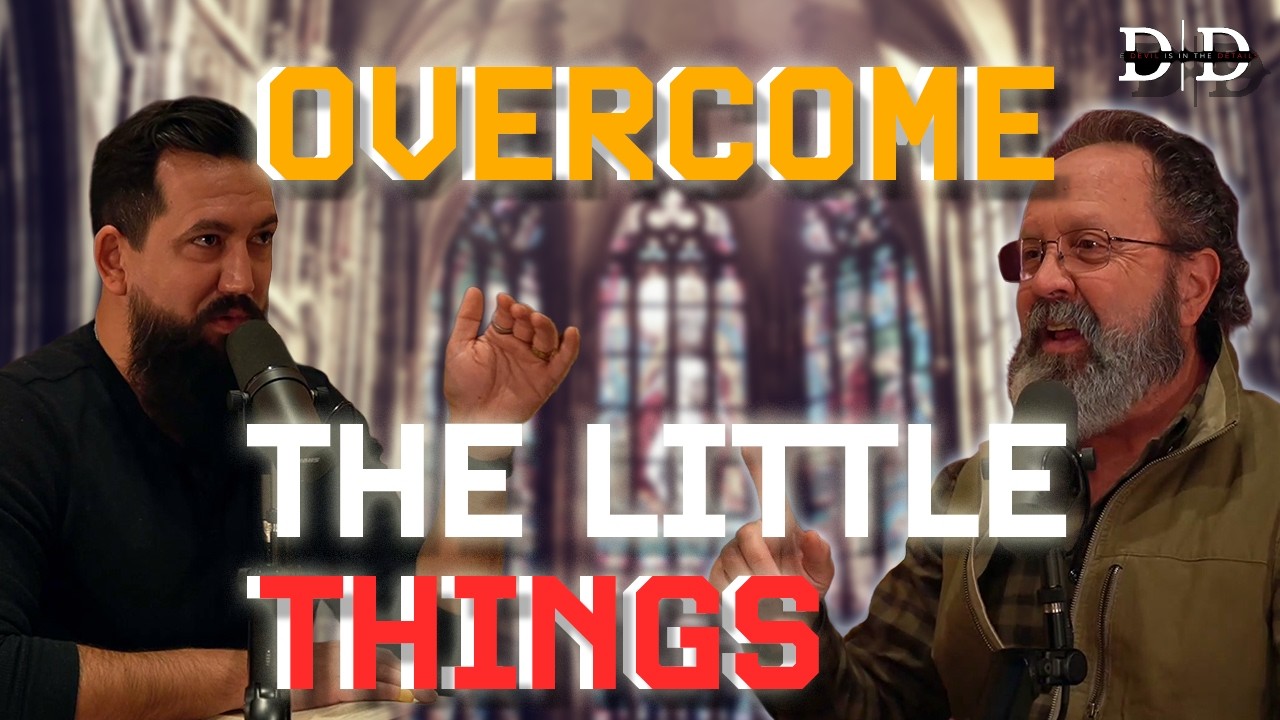
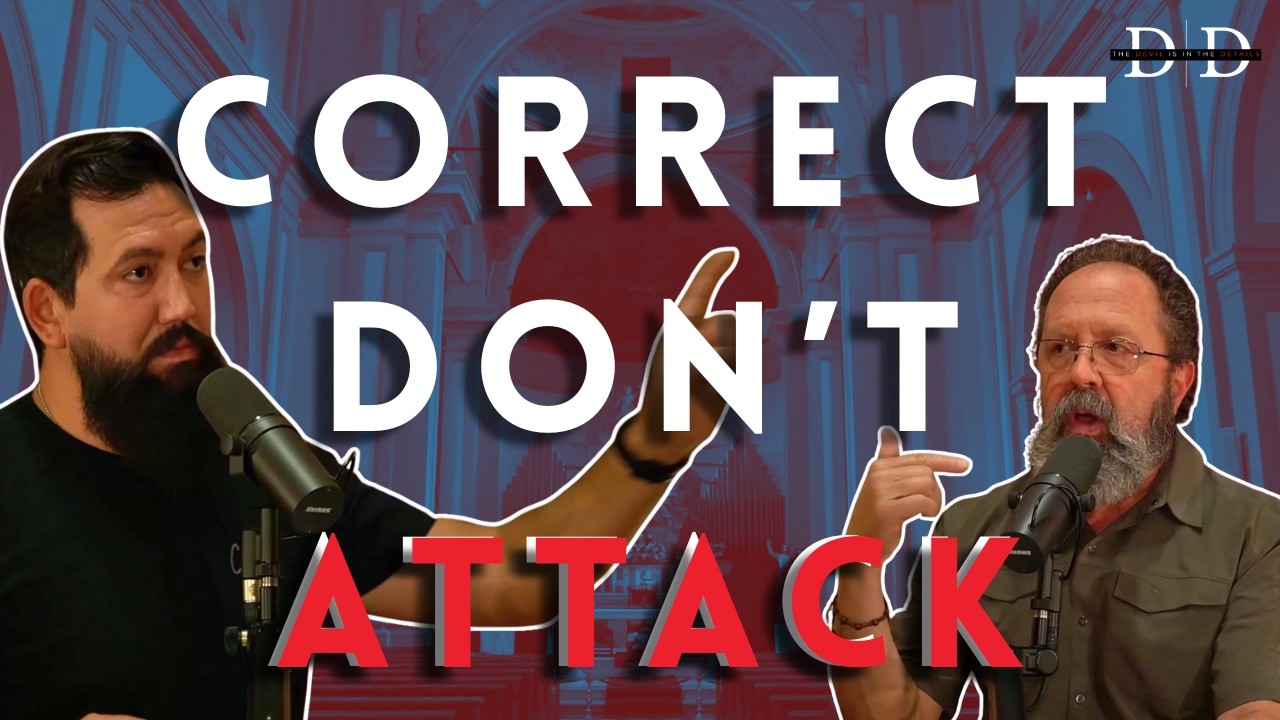
In this episode of The Devil Is in the Details, Dan and Jordan Burke begin an in-depth exploration of mediocre piety, the first stage of the purgative way, where most practicing Catholics find themselves spiritually stuck.
This is the stage where habitual mortal sin dominates, confession is inadequate, venial sin is dismissed as insignificant, suffering is avoided at all costs, prayer is inconsistent and self-focused, and examination of conscience is nonexistent. The soul may sincerely regret sin, but regret alone is not enough. Freedom requires humility, strategy, accountability, daily prayer, and a willingness to embrace suffering rather than escape through distraction or sin.
Dan and Jordan discuss why habitual mortal sin must become your highest spiritual priority, what makes a confession inadequate, the meaning of a firm purpose of amendment, why venial sins matter more than most Catholics realize, how the avoidance of suffering keeps us spiritually immature, and why daily mental prayer and examination of conscience are essential for waking up spiritually.
Drawing from the wisdom of St. Teresa of Avila, St. John of the Cross, Dom Chautard's Soul of the Apostolate, and personal stories of overcoming wrath, impurity, and other sins, this conversation is both challenging and compassionate, calling Catholics to stop making excuses and start cooperating seriously with grace.
In this episode:
In this episode of The Devil Is in the Details, Dan and Jordan Burke begin an in-depth exploration of mediocre piety, the first stage of the purgative way, where most practicing Catholics find themselves spiritually stuck.
This is the stage where habitual mortal sin dominates, confession is inadequate, venial sin is dismissed as insignificant, suffering is avoided at all costs, prayer is inconsistent and self-focused, and examination of conscience is nonexistent. The soul may sincerely regret sin, but regret alone is not enough. Freedom requires humility, strategy, accountability, daily prayer, and a willingness to embrace suffering rather than escape through distraction or sin.
Dan and Jordan discuss why habitual mortal sin must become your highest spiritual priority, what makes a confession inadequate, the meaning of a firm purpose of amendment, why venial sins matter more than most Catholics realize, how the avoidance of suffering keeps us spiritually immature, and why daily mental prayer and examination of conscience are essential for waking up spiritually.
Drawing from the wisdom of St. Teresa of Avila, St. John of the Cross, Dom Chautard's Soul of the Apostolate, and personal stories of overcoming wrath, impurity, and other sins, this conversation is both challenging and compassionate, calling Catholics to stop making excuses and start cooperating seriously with grace.
In this episode:
- Why the podcast is called The Devil in the Details
- Understanding the three ways: purgative, illuminative, and unitive
- Why most Catholics are in the purgative way
- Can you really be in the unitive way?
- What mediocre piety looks like in everyday life
- The reality of habitual mortal sin and why it must be overcome
- Personal stories of overcoming wrath and impurity
- What makes a confession inadequate
- The meaning of a firm purpose of amendment
- Hebrews 12:4: resisting sin to the point of shedding blood
- Why excuses keep you trapped in sin
- How discernment of spirits is your first tool for freedom
- Why venial sin is dismissed as insignificant in mediocre piety
- The role of suffering in spiritual growth
- Jesus fell three times: embracing the cross
- Ascesis: purposeful self-denial for the sake of love
- What prayer looks like in mediocre piety: baby cries to God
- The daily examen: waking up to spiritual patterns
- Top three plus one: a practice of gratitude
- Why sacraments are approached with bare minimum effort in mediocre piety
The spiritual battle is rarely fought in dramatic moments. It is fought in the ordinary details of daily life: getting out of bed, resisting temptation, examining your choices, accepting suffering, and returning faithfully to prayer and the sacraments.
Freedom begins when excuses end and the soul becomes willing to cooperate seriously with grace.
What questions do you have after watching today's video? Were you impacted in some way? If so, comment below!
Freedom begins when excuses end and the soul becomes willing to cooperate seriously with grace.
What questions do you have after watching today's video? Were you impacted in some way? If so, comment below!